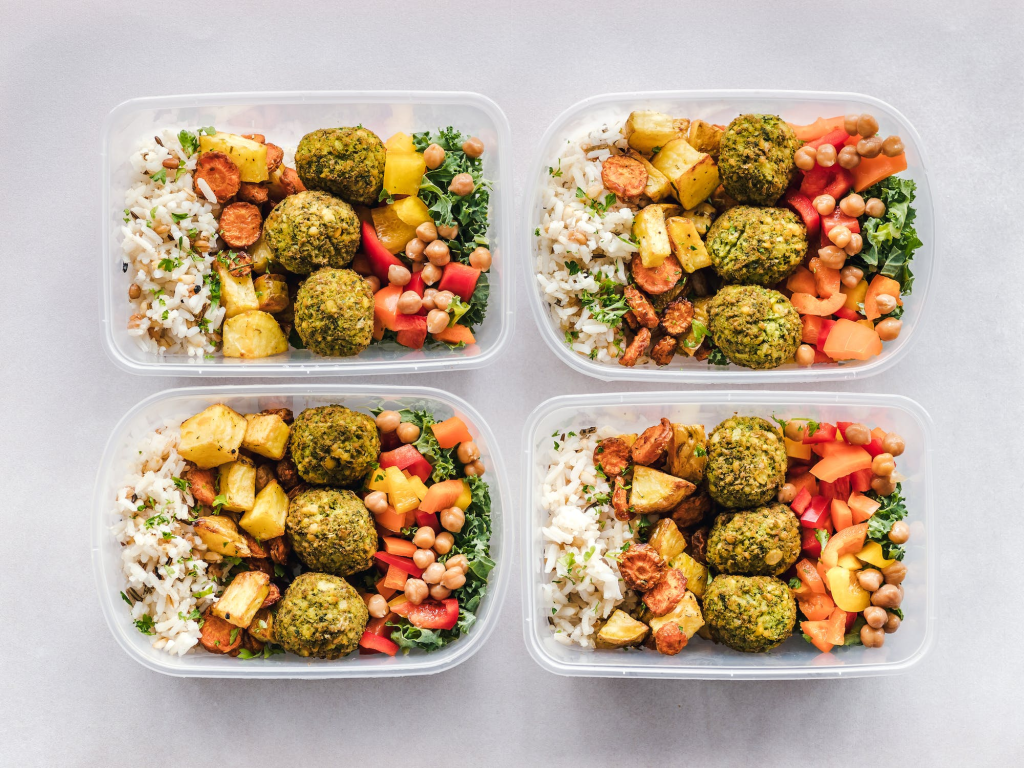
In today’s fast-paced world, meal prepping has become a popular strategy for saving time, eating healthier, and staying organized. By dedicating a few hours each week to prepare meals in advance, you can enjoy nutritious and delicious food without the stress of cooking every day. In this article, we will guide you through the process of meal prepping, from planning and grocery shopping to storage and reheating, so you can successfully conquer your weekly meals.
Step 1: Plan Your Menu and Recipes
Start by deciding on the meals you want to prepare for the week. Consider your dietary preferences, nutritional needs, and any specific goals you have in mind. Look for recipes that are easily adaptable for meal prep, such as casseroles, stir-fries, or sheet pan meals. Make a list of ingredients you’ll need, ensuring you have a good balance of proteins, carbohydrates, and vegetables.
Step 2: Create a Grocery List and Shop Smartly
Using your menu plan, make a comprehensive grocery list. Take stock of the ingredients you already have at home to avoid unnecessary purchases. When you hit the grocery store, stick to your list to stay focused and avoid impulse buying. Buying ingredients in bulk can be cost-effective, especially for staples like grains, beans, and frozen vegetables.
Step 3: Set Aside Time for Prep
Choose a specific day and time for your meal prep session. Allocate a few hours where you can work uninterrupted. Many people find Sunday afternoons or evenings to be ideal for prepping meals for the upcoming week. Clear your workspace, gather all necessary utensils and containers, and get ready to dive into the preparation process.
Step 4: Cook in Batches
To maximize efficiency, it’s best to cook in batches. Prepare larger quantities of the components that can be used across multiple meals, such as grains, proteins, and roasted vegetables. For example, cook a big batch of quinoa, grill chicken breasts, and roast a variety of vegetables on separate trays simultaneously. This way, you’ll have versatile building blocks for different meal combinations throughout the week.
Step 5: Portion and Store Properly
Divide your prepared meals into individual portions to ensure they are ready to grab-and-go. Invest in quality, airtight containers that are microwave-safe and freezer-friendly. Label each container with the contents and date to maintain freshness and track expiration dates. Consider using portion control containers or small reusable bags for snacks or sides.
Step 6: Incorporate Variety and Flexibility
To prevent meal fatigue, aim for variety in your prepped meals. Mix and match different components each day to create new combinations. For example, pair grilled chicken with quinoa and roasted vegetables one day, and use the same chicken in a salad or wrap the next day. This will keep your taste buds satisfied and make your meals more enjoyable.
Step 7: Properly Reheat and Enjoy
When it’s time to eat your prepped meals, ensure you follow proper reheating instructions. Some meals may be best reheated in the microwave, while others might require a stovetop or oven. Follow recommended time and temperature guidelines to maintain food safety. Add fresh garnishes or sauces to enhance flavors and make your meals feel more freshly prepared.
Meal prepping can be a game-changer in your quest for healthy eating and efficient meal management. By planning ahead, grocery shopping strategically, dedicating time for prep, and utilizing proper storage techniques, you can enjoy the convenience of ready-to-eat meals throughout the week. Embrace the art of meal prepping, and you’ll find yourself saving time, reducing stress, and maintaining a nourishing diet effortlessly.
 Business, Finance, Travel, Science, Tech and more!